As crianças são muitas vezes mais vulneráveis aos efeitos negativos de um ambiente degradado do que os adultos, especialmente em áreas urbanas. No entanto, elas não são apenas pequenas vítimas inocentes. As crianças têm um potencial ainda inexplorado para incentivar e influenciar outras pessoas a adotarem comportamentos mais sustentáveis. Nós, adultos, devemos assumir nossa responsabilidade para envolvê-las no planejamento e na tomada de decisões com maior seriedade, para que elas tenham uma chance de influenciar o presente e moldar o futuro.
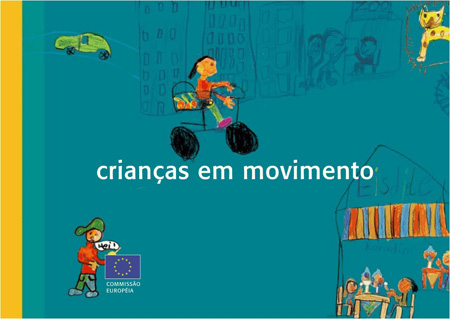
O manual “Kids on the move” foi lançado pela Comissão Europeia, Diretório Geral do Meio Ambiente, em 2002, após ser anunciado pela Sra. Margot Wallström na conferência Velocity daquele ano. Está sendo publicado hoje, em português, com o título “Crianças em movimento”.
Assim como o manual “Cidades do futuro, cidades para bicicletas”, que reconheceu o valor das bicicletas para as cidades, “Crianças em movimento” mostra a importância de reconhecer as necessidades específicas das crianças no trânsito. O manual destaca as iniciativas desenvolvidas, na Europa, por escolas, empresas de transporte público ou autoridades locais que tenham objetivo de promover o bem-estar dos nossos filhos.
“Crianças em movimento” contém numerosas sugestões práticas, endereços internet e documentação de referência sobre como abordar a questão da mobilidade da criança no trânsito do ponto de vista de um pai, uma escola, uma empresa de transporte, uma autoridade local e do ponto de vista da própria criança. O manual também inclui uma breve descrição de quinze iniciativas que foram tomadas a nível local, nacional ou internacional (assembleias de crianças e jovens, rotas seguras para as escolas, pédibus e grupos de bicicleta, campanha em favor dos transportes públicos, bicicletas para jovens mulheres, eventos como o italiano Bimbimbici, dias sem carro, etc).
A publicação foi apresentada oficialmente durante um seminário organizado pela Federação Europeia de Ciclistas (ECF) na Green Week, em Bruxelas. O manual foi criado para ser distribuído tanto através dos canais habituais de informação da União Europeia e através de redes ou associações de autoridades locais, escolas, pais, jovens, etc, e pode ser uma ajuda útil com ideias para aqueles que querem participar do Dia 22 de Setembro – Na Cidade sem meu Carro.
A Associação Transporte Ativo obteve autorização expressa, a tradução foi feita por Patrícia Casela, e agora o manual está disponível gratuitamente em língua portuguesa.
Compartilhamos aquelas mesmas preocupações sobre o futuro, a saúde e o lugar das crianças no trânsito. Com a tradução do manual Kids on the move almejamos dar outro enfoque para a “Semana do Trânsito” nas escolas e as discussões sobre o assunto, em vez de moldar “pequenos motoristas” e forjar uma dependência ao carro, muitas vezes desnecessária e quase sempre prejudicial.
Temos certeza que podemos aprender com o exemplo europeu. Autoridades e escolas precisam conscientizar-se de que crianças e adolescentes possuem necessidades próprias no trânsito. Ruas vivas e espaços vivos nas cidades influenciam diretamente o desenvolvimento corporal, mental e de cidadania das crianças. Mostrar a elas, e aos jovens em formação, o caminho dos transportes ativos é o primeiro passo da independência. Construir cidades onde seja permitido crianças nas ruas é abrir as portas para que elas encontrem seu lugar no espaço urbano, desde bem cedo. Isto só trará benefícios. Uma cidade mais segura, mais saudável e mais agradável para crianças é uma cidade boa para todo mundo.
Clique aqui para baixar.